Biomedical engineering is the application of the principles and problem-solving techniques of engineering to biology and medicine. This is evident throughout healthcare, from diagnosis and analysis to treatment and recovery, and has entered the public conscience though the proliferation of implantable medical devices, such as pacemakers and artificial hips, to more futuristic technologies such as stem cell engineering and the 3-D printing of biological organs. Engineering itself is an innovative field, the origin of ideas leading to everything from automobiles to aerospace, skyscrapers to sonar. Biomedical engineering focuses on the advances that improve human health and health care at all levels. Biomedical engineers differ from other engineering disciplines that have an influence on human health in that biomedical engineers use and apply an intimate knowledge of modern biological principles in their engineering design process. Aspects of mechanical engineering, electrical engineering, chemical engineering, materials science, chemistry, mathematics, and computer science and engineering are all integrated with human biology in biomedical engineering to improve human health, whether it be an advanced prosthetic limb or a breakthrough in identifying proteins within cells.
Agricultural biotechnology is a collection of scientific techniques used to improve plants, animals and microorganisms. Based on an understanding of DNA, scientists have developed solutions to increase agricultural productivity. Starting from the ability to identify genes that may confer advantages on certain crops, and the ability to work with such characteristics very precisely, biotechnology enhances breeders’ ability to make improvements in crops and livestock. Biotechnology enables improvements that are not possible with traditional crossing of related species alone.
Light pollution is excessive and inappropriate artificial light. The four components of light pollution are often combined and may overlap: Urban Sky Glow the brightening of the night sky over inhabited areas. Light Trespass light falling where it is not intended, wanted, or needed. Light pollution, also known as photopollution or luminous pollution, is the excessive, misdirected or invasive use of artificial outdoor lighting. Mismanaged lighting alters the color and contrast of the nighttime sky, eclipses natural starlight, and disrupts circadian rhythms, which affects the environment, energy resources, wildlife, humans and astronomy research. The threat of light pollution continues to grow as the demand for artificial light increases each year. Luminous pollution, unlike other forms of contamination and waste, can be contained and/or reduced by improving outdoor lighting practices. Remember that outdoor lighting serves a purpose – to provide visibility and safety at night, but lighting that exceeds its purpose can quickly become offensive to others. Here are some simple tips to help you reduce light pollution without sacrificing your comfort or safety. Luminous pollution is caused by using outdoor lights when and where they are not necessary. Poorly designed residential, commercial, and industrial outdoor lights also contribute significantly to light pollution. Unshielded light fixtures emit more than 50% of their light skyward or sideways. In many instances, only 40% of the light emitted actually illuminates the ground. Luminous pollution has dire effects on our environment and resources of energy as well as wildlife ecology and astronomical research. Light pollution also affects the quality of life and safety of humans. Here are some of known side effects of light pollution.
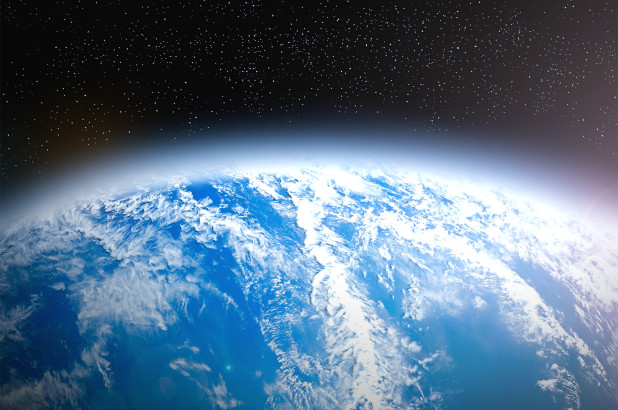
Ozone is created in the atmosphere when the sun’s rays split oxygen molecules into single atoms. These atoms combine with nearby oxygen to form a three-oxygen molecule, called ozone. Even as it’s being made, ozone is also destroyed by sunlight and reactions involving natural compounds that contain chlorine, nitrogen, and hydrogen. Most of the earth’s ozone is contained in the stratosphere, a layer of the atmosphere 10–40 km above the surface of the earth. The amount of ozone in the stratosphere is fairly constant when viewed globally. However, it changes throughout the year and from one place to another. Most of the world’s ozone is created over the Tropics, and is then pushed by stratospheric winds over the rest of the planet. The ozone layer is typically thicker over the poles than over the equator for three reasons. First, there is a lack of sunlight during an arctic winter to break it down. Second, seasonal weather systems and wind patterns in the upper atmosphere push more ozone toward the poles in winter. Third, the vertical structure of the atmosphere affects thickness. Near the equator, the troposphere makes up about 18 kilometres of the atmosphere. At the poles, it thins to only 8-kilometres thick. The boundary between the layers, called the tropopause.
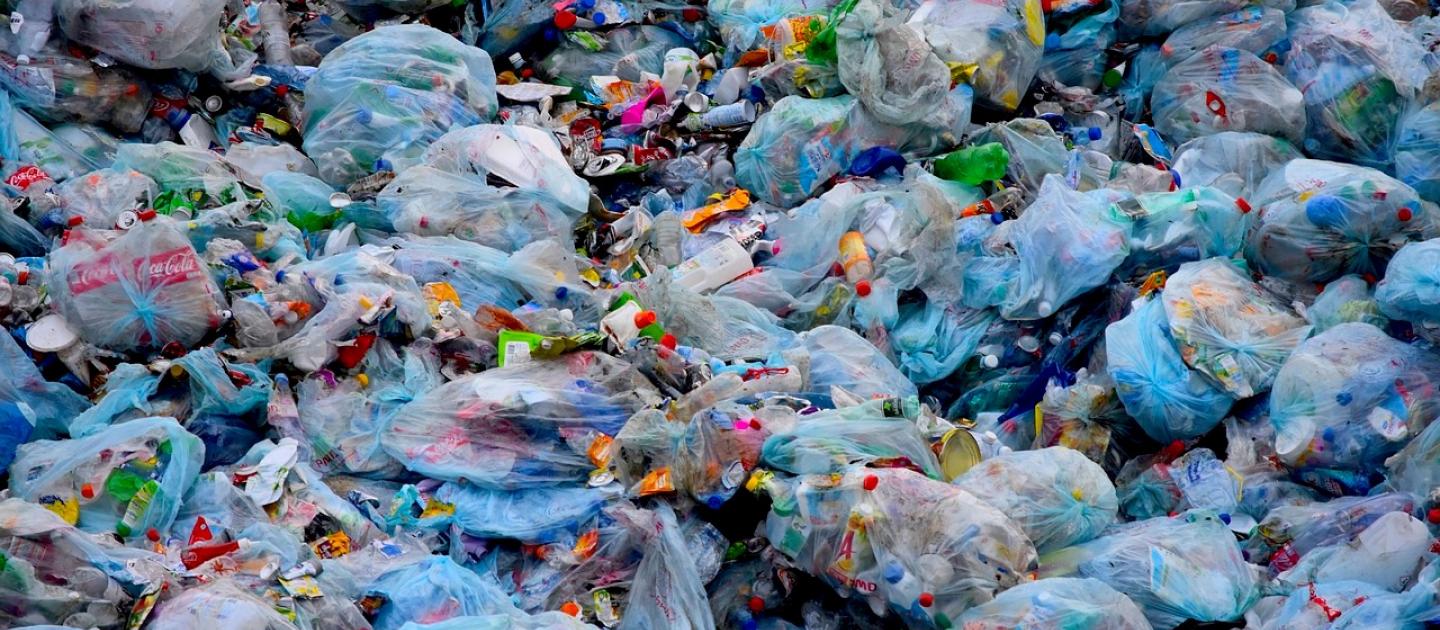
As plastic is composed of major toxic pollutants, it has the potential to cause significant harm to the environment in the form of air, water, and land pollution. plastic pollution is when plastic has gathered in an area and has begun to negatively impact the natural environment and create problems for plants, wildlife, and even the human population. Often this includes killing plant life and posing dangers to local animals. Plastic is an incredibly useful material, but it is also made from toxic compounds known to cause illness, and because it is meant for durability, it is not biodegradable. While solving the problem of plastic pollution may seem as easy as just implementing recycling or cleaning up empty bottles, the truth is that the plastic causing the pollution can range in size from big to microscopic. It seems rather obvious that this amount of a material that isn’t meant to break down can wreak havoc on natural environments, leading to long-term issues for plants, animals, and people. The reality is that the only way this problem can be addressed is by individuals and companies around the world agreeing to implement practices that reduce waste on every level.




 Journal of Geology and Geoscience