Eocene

Eocene rocks have a worldwide distribution. The International Commission on Stratigraphy has recognized several stages and their temporal equivalents on the basis of characteristic rocks and fossils; they are, from earliest to latest, the Ypresian, Lutetian, Bartonian, and the Priabonian. Lower Eocene assemblages are poorly represented in both England and the Patagonian region of South America. Later Eocene vertebrate faunas are somewhat better developed in areas outside of North America; however, it is in North America, especially the western United States, that the most abundant and extensive Eocene terrestrial vertebrate record exists. Eocene rocks were deposited in much the same regions as those of the preceding Paleocene Epoch. During the Eocene, climates were warm and humid—temperate and subtropical forests were widespread, whereas grasslands were of limited extent. During the Eocene, the vertebrates of North America and Europe were very similar; many genera existed in both regions, indicating that an interchange between the regions was possible. Early Eocene faunas mirrored those of the preceding Paleocene with the addition of newer types; however, the archaic Paleocene groups gradually became extinct.

For more details: http://sciaeon.org/geology-and-geoscience/home

Submit your manuscript: http://sciaeon.org/submit-paper

Contact us: geology@sciaeonopenaccess.com
Glaciers

Glacial landform, any product of flowing ice and meltwater. Such landforms are being produced today in glaciated areas, such as Greenland, Antarctica, and many of the world’s higher mountain ranges. In addition, large expansions of present-day glaciers have recurred during the course of Earth history. Consequently, if they have not been obliterated by other landscape-modifying processes since that time, glacial landforms may still exist in regions that were once glaciated but are now devoid of glaciers. Periglacial features, which form independently of glaciers, are nonetheless a product of the same cold climate that favours the development of glaciers, and so are treated here as well. There are numerous types of glaciers, but it is sufficient here to focus on two broad classes: mountain, or valley, glaciers and continental glaciers, or ice sheets. For information about other types, see the articles ice and glacier.

For more details: http://sciaeon.org/geology-and-geoscience/home

Submit your manuscript: http://sciaeon.org/submit-paper

Contact us: geology@sciaeonopenaccess.com
Pleistocene Epoch

The Pleistocene Epoch is best known as a time during which extensive ice sheets and other glaciers formed repeatedly on the landmasses and has been informally referred to as the Great Ice Age. The timing of the onset of this cold interval, and thus the formal beginning of the Pleistocene Epoch, was a matter of substantial debate among geologists during the late 20th and early 21st centuries. By 1985, a number geological societies agreed to set the beginning of the Pleistocene. Modern research, however, has shown that large glaciers had formed in other parts of the world. This fact precipitated a debate among geologists over the formal start of the Pleistocene, as well as the status of the Quaternary Period. Definition of the base of the Pleistocene has had a long and controversial history. Because the epoch is best recognized for glaciation and climatic change, many have suggested that its lower boundary should be based on climatic criteria. Pre-Pleistocene intervals of time are defined on the basis of chronostratigraphic and geochronologic principles related to a marine sequence of strata.

For more details: http://sciaeon.org/geology-and-geoscience/home

Submit your manuscript: http://sciaeon.org/submit-paper

Contact us: geology@sciaeonopenaccess.com
Cenote

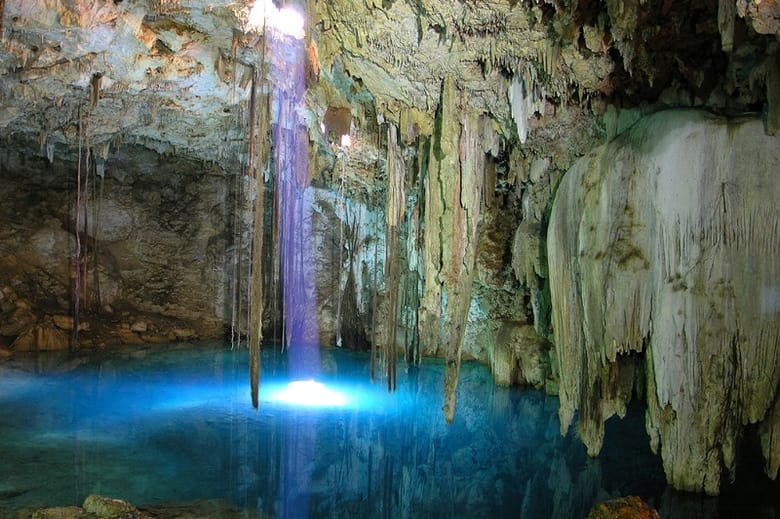
Cenote, natural well or reservoir, formed when a limestone surface collapses, exposing water underneath. The major source of water in modern and ancient Yucatán, cenotes are also associated with the cult of the rain gods, or Chacs. In ancient times, notably at Chichén Itzá, precious objects, such as jade, gold, copper, and incense and also human beings, usually children, were thrown into the cenotes as offerings. A survivor was believed to bring a message from the gods about the year’s crops.

For more details: http://sciaeon.org/geology-and-geoscience/home

Submit your manuscript: http://sciaeon.org/submit-paper

Contact us: geology@sciaeonopenaccess.com
Sinkhole

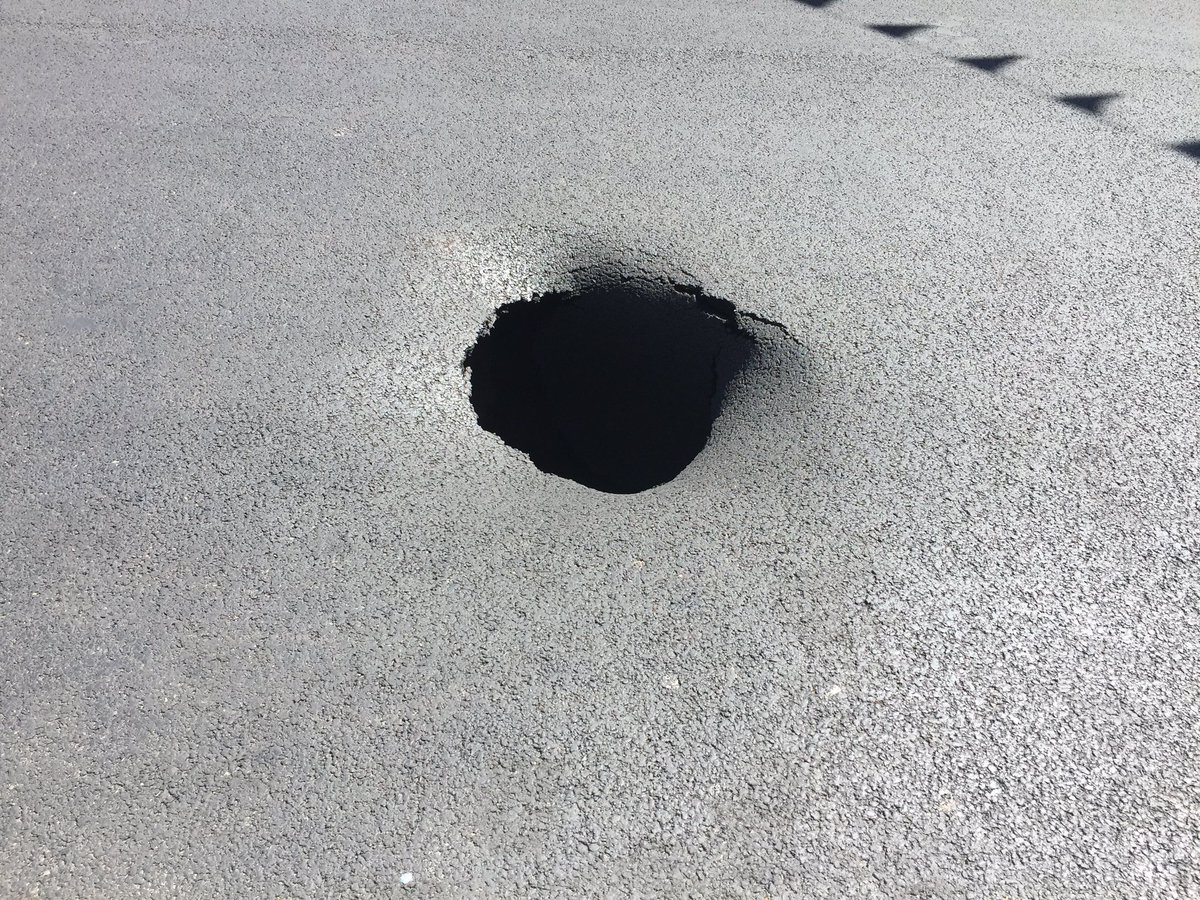
Sinkhole, also called sink or doline, topographic depression formed when underlying limestone bedrock is dissolved by groundwater. It is considered the most-fundamental structure of karst topography. Sinkholes vary greatly in area and depth and may be very large. There are two main varieties, one caused by the collapse of the roof of a cavern, the other by the gradual dissolving of rock under a soil mantle. Collapsed sinkholes generally have steep rock sides and may receive streams that then flow underground. The soil-mantled sinkhole is generally shallower than the collapsed sinkhole and receives local drainage; it may become clogged with clay and hold a small lake. Some sinkholes, formed at low sea-level stages during the Pleistocene Epoch, are now half-drowned and are known as cenotes.

For more details: http://sciaeon.org/geology-and-geoscience/home

Submit your manuscript: http://sciaeon.org/submit-paper

Contact us: geology@sciaeonopenaccess.com
Polje

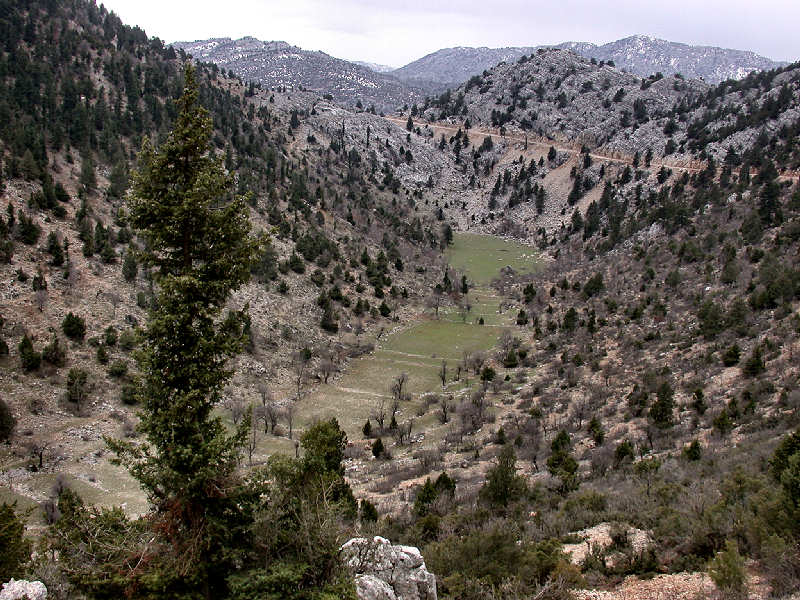
Polje, elongated basin having a flat floor and steep walls; it is formed by the coalescence of several sinkholes. The basins often cover 250 square km  and may expose disappearing streams. Most such basins have steep enclosing walls that range from 50 to 100 m in height, giving rise to the name blind valley. The flat floor of a polje is characteristically covered with a soil composed of the residues of limestone solution. These areas may constitute the only arable part of the rock wasteland in a karst region.

For more details: http://sciaeon.org/geology-and-geoscience/home

Submit your manuscript: http://sciaeon.org/submit-paper

Contact us: geology@sciaeonopenaccess.com

Karst

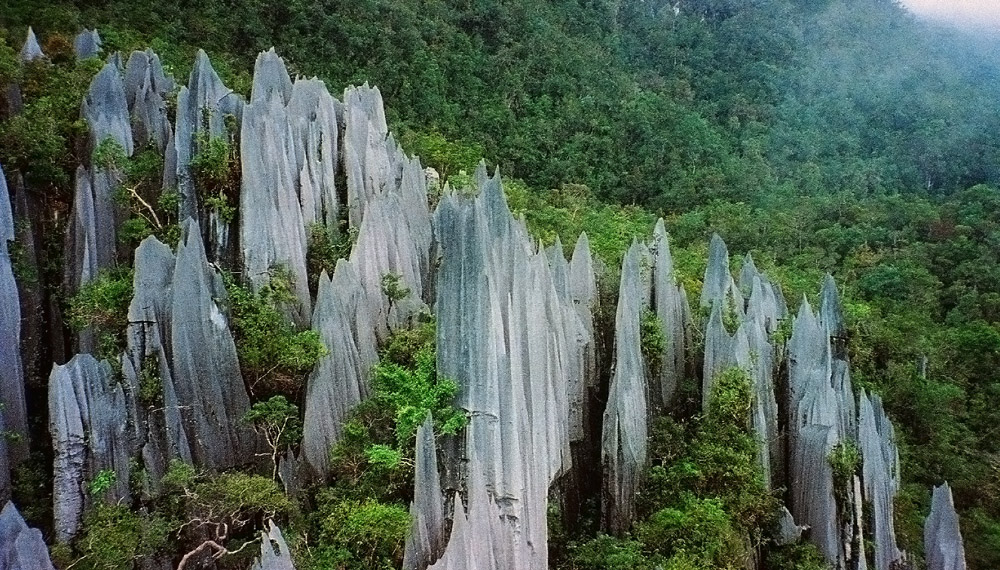
Karst, terrain usually characterized by barren, rocky ground, caves, sinkholes, underground rivers, and the absence of surface streams and lakes. It results from the excavating effects of underground water on massive soluble limestone. Conditions that promote karst development are well-jointed, dense limestone near the surface; a moderate to heavy rainfall; and good groundwater circulation. Limestone dissolves relatively easily in slightly acidic water, which occurs widely in nature. Rainwater percolates along both horizontal and vertical cracks, dissolving the limestone and carrying it away in solution. Limestone pavements are produced by the removal of surface material, and the vertical fissures along joints are gradually widened and deepened, producing a grooved and jagged terrain. As it flows along cracks underground, the water continues to widen and deepen the cracks until they become cave systems or underground stream channels into which narrow vertical shafts may open. Most, but not all, of the principal cave areas of the world are areas of karsts. Features such as lapiés, natural bridges, and pepino hills are characteristic of karsts. If a cave becomes large enough and the top extends close enough to the surface, the top collapses. This produces depressions called sinkholes, which are among the most characteristic features of karst topography. Sinkholes commonly coalesce into much larger depressions called poljen, which are often flat-floored and covered with soil that is derived from the insoluble residues of the limestone. These poljen may be the only areas where cultivation can be carried on. However, limestones vary in solubility and in the proportion of insoluble components; hence the general surfaces of some karst areas can be farmed. Over broad areas, surface streams may be totally absent. In fact, in some karst areas with heavy rainfall, all precipitation may disappear underground so completely that even water for domestic purposes may be difficult to find. In other places water may surface as large springs, flow as a stream across the surface, and then disappear again underground.

For more details: http://sciaeon.org/geology-and-geoscience/home

Submit your manuscript: http://sciaeon.org/submit-paper

Contact us: geology@sciaeonopenaccess.com

Desalination

Desalination, also called desalting, removal of dissolved salts from seawater and in some cases from the brackish waters of inland seas, highly mineralized groundwaters, and municipal waste waters. This process renders such otherwise unusable waters fit for human consumption, irrigation, industrial applications, and various other purposes. Existing desalination technology requires a substantial amount of energy, usually in the form of fossil fuels, and so the process is expensive. For this reason it is generally used only where sources of fresh water are not economically available. In addition, the amount of greenhouse gas emissions and brine wastewater generated by desalination plants pose significant environmental challenges. The desalting of seawater is an ancient notion. Desalination methods can utilize either thermal processes or membrane processes. Multistage flash distillation is a thermal process for desalting relatively large quantities of seawater. Based on the fact that the boiling temperature of water is lowered as air pressure drops, this process is carried out in a series of closed tanks set at progressively lower pressures. When preheated seawater enters the first stage, some of it rapidly boils, forming vapour that is condensed into fresh water on heat-exchange tubes. Fresh water is collected in trays as the remaining seawater flows into the next stage, where it also flashes, and the process is continued.  In small communities where salt water and intense sunlight are both abundant, a simple thermal process called solar humidification can be used. The heat of the Sun partially vaporizes salt water under a transparent cover. On the underside of the cover, the vapour condenses and flows into a collecting trough. The principal difficulty in this process is that large land areas are required, and energy is needed for pumping the water. Another thermal process makes use of the fact that, when salt water is frozen, the ice crystals contain no salt. In practice, however, objectionable amounts of salt water remain trapped between the crystals, and the amount of fresh water needed to wash the salt water away is comparable to the amount of fresh water produced by melting the crystals.

For more details: http://sciaeon.org/geology-and-geoscience/home

Submit your manuscript: http://sciaeon.org/submit-paper

Contact us: geology@sciaeonopenaccess.com

Oil Spill

Oil spill, leakage of petroleum onto the surface of a large body of water. Spectacular oil spills from wrecked or damaged supertankers are now rare because of stringent shipping and environmental regulations. Nevertheless, thousands of minor and several major oil spills related to well discharges and tanker operations are reported each year, with the total quantity of oil released annually into the world’s oceans exceeding one million metric tons. The unintentional or negligent release of used gasoline solvents and crankcase lubricants by industries and individuals greatly aggravates the overall environmental problem. The costs of oil spills are considerable in both economic and ecological terms. Oil on ocean surfaces is harmful to many forms of aquatic life because it prevents sufficient amounts of sunlight from penetrating the surface, and it also reduces the level of dissolved oxygen. Crude oil ruins the insulating and waterproofing properties of feathers and fur, and thus oil-coated birds and marine mammals may die from hypothermia. Moreover, ingested oil can be toxic to affected animals, and damage to their habitat and reproductive rate may slow the long-term recovery of animal populations from the short-term damage caused by the spill itself. Damage to plant life can be considerable as well; saltwater marshes and mangroves are two notable shore ecosystems that frequently suffer from oil spills. If beaches and populated shorelines are fouled, tourism and commerce may be severely affected, as may power plants and other utilities that either draw on or discharge into seawater at the shore. One of the industries most affected by oil spills is fishing. Major oil spills are frequently followed by the immediate suspension of commercial fishing, at the least to prevent damage to vessels and equipment but also to prevent the catch and sale of fish or shellfish that may be contaminated.

For more details: http://sciaeon.org/geology-and-geoscience/home

Submit your manuscript: http://sciaeon.org/submit-paper

Contact us: geology@sciaeonopenaccess.com

Chemical oceanography

Chemical oceanography is the study of ocean chemistry: the behavior of the chemical elements within the Earth’s oceans. Much of chemical oceanography describes the cycling of these elements both within the ocean and with the other spheres of the Earth system. These cycles are usually characterized as quantitative fluxes between constituent reservoirs defined within the ocean system and as residence times within the ocean. Of particular global and climatic significance are the cycles of the biologically active elements such as carbon, nitrogen, and phosphorus as well as those of some important trace elements such as iron. Another important area of study in chemical oceanography is the behaviour of isotopes and how they can be used as tracers of past and present oceanographic and climatic processes. For example, the incidence of 18O can be used as an indicator of polar ice sheet extent, and boron isotopes are key indicators of the pH and CO2 content of oceans in the geologic past.

For more details: http://sciaeon.org/geology-and-geoscience/home

Submit your manuscript: http://sciaeon.org/submit-paper

Contact us: geology@sciaeonopenaccess.com

Design a site like this with WordPress.com
Get started