Sedimentology

Sedimentary geology is a branch of geology concerned with the study of sedimentary rocks. It comprises the two closely related disciplines of sedimentology and stratigraphy. Sedimentary rocks are the most abundant rocks close to the surface of the earth and contain most of the resources of interest for human society. Sedimentary rocks cover up to 75% of the Earth’s surface, record much of the Earth’s history, and harbor the fossil record. 

For more details:
http://sciaeon.org/geology-and-geoscience/home

Submit your manuscript of Sedimentology:
http://sciaeon.org/submit-paper

Contact us: geology@sciaeonopenaccess.com
Environmental Geology

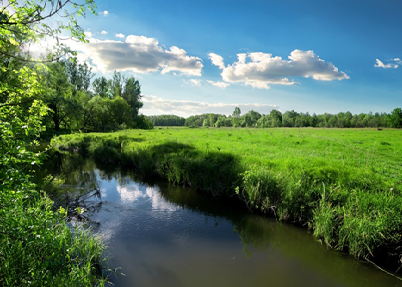
Environmental geology, like hydrogeology, is an applied science concerned with the practical application of the principles of geology in the solving of environmental problems. It is a multidisciplinary field that is closely related to engineering geology and, to a lesser extent, to environmental geography. Each of these fields involves the study of the interaction of humans with the geologic environment, including the biosphere, the lithosphere, the hydrosphere, and to some extent the atmosphere.

For more details: http://sciaeon.org/geology-and-geoscience/home

Submit your manuscript of Environmental Geology: http://sciaeon.org/submit-paper

Contact us: geology@sciaeonopenaccess.com
Geobiology

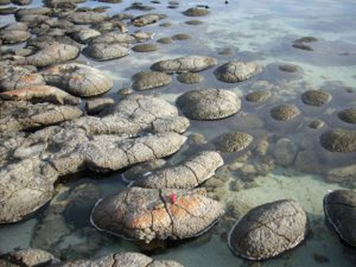
Geobiology is a field of scientific research that explores the interactions between the physical Earth and the biosphere. It is a relatively young field, and its borders are fluid. There is considerable overlap with the fields of ecology, evolutionary biology, microbiology, paleontology, and particularly biogeochemistry. Geobiology applies the principles and methods of biology and geology to the study of the ancient history of the co-evolution of life and Earth as well as the role of life in the modern world.

For more details: http://sciaeon.org/geology-and-geoscience/home

Submit your manuscript of Geobiology: http://sciaeon.org/submit-paper

Contact us: geology@sciaeonopenaccess.com
Paleontology

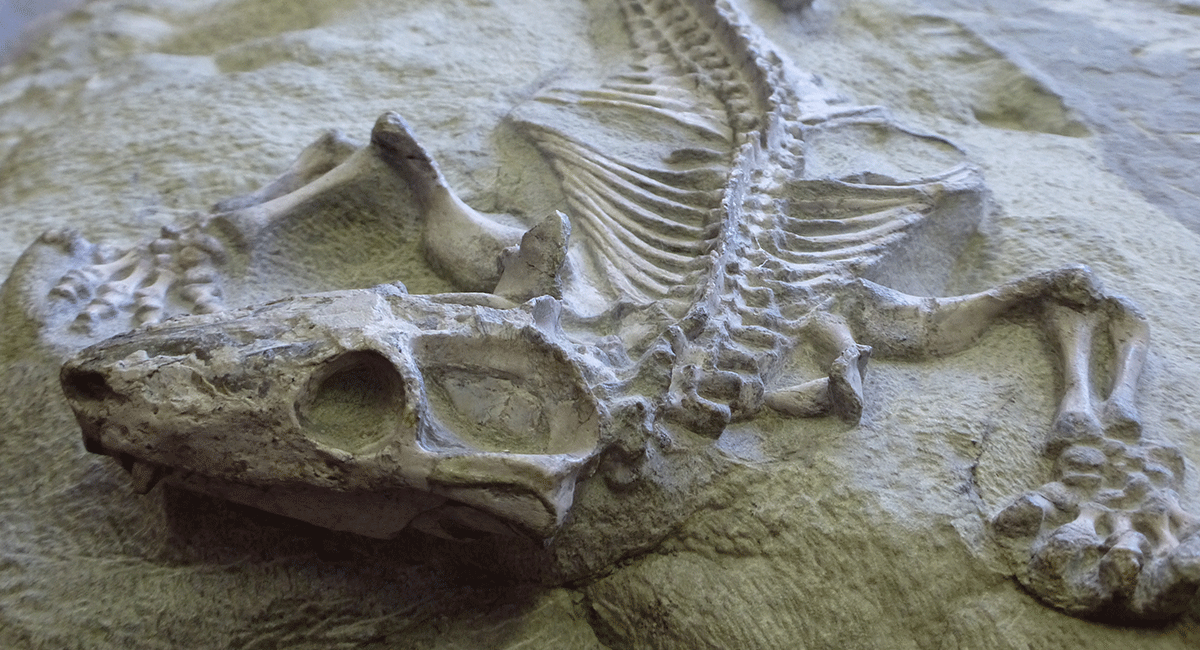
Paleontology is the study of what fossils tell us about the ecologies of the past, about evolution, and about our place, as humans, in the world. Paleontology incorporates knowledge from biology, geology, ecology, anthropology, archaeology, and even computer science to understand the processes that have led to the origination and eventual destruction of the different types of organisms since life arose. The exhibits that we have set up here are created by paleontologists. More than just an overview of the diversity that has existed through time on this planet, the exhibits also highlight some of the research that paleontologists are conducting at the Museum of Paleontology.

For more details:
http://sciaeon.org/geology-and-geoscience/home

Submit your manuscript of Paleontology:
http://sciaeon.org/submit-paper

Contact us: geology@sciaeonopenaccess.com

Geomorphology

Geomorphology is the study of landforms, their processes, form and sediments at the surface of the Earth (and sometimes on other planets). Study includes looking at landscapes to work out how the earth surface processes, such as air, water and ice, can mould the landscape. Landforms are produced by erosion or deposition, as rock and sediment is worn away by these earth-surface processes and transported and deposited to different localities. The different climatic environments produce different suites of landforms. The landforms of deserts, such as sand dunes and ergs, are a world apart from the glacial and periglacial features found in polar and sub-polar regions. Geomorphologists map the distribution of these landforms so as to understand better their occurrence.

For more details:
http://sciaeon.org/geology-and-geoscience/home

Submit your manuscript of Geomorphology:
http://sciaeon.org/submit-paper

Contact us: geology@sciaeonopenaccess.com
Geophysics

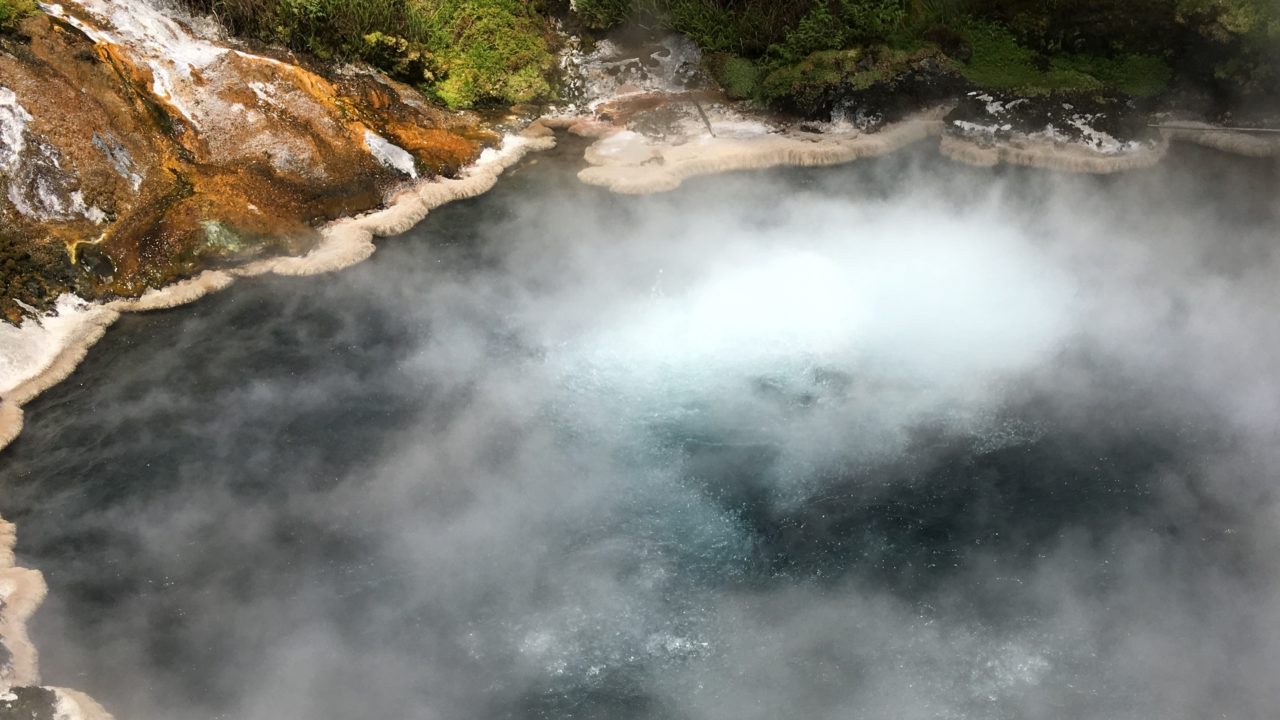
The subsurface site characterization of the geology, geological structure, groundwater, contamination, and human artifacts beneath the Earth’s surface, based on the lateral and vertical mapping of physical property variations that are remotely sensed using non-invasive technologies. Many of these technologies are traditionally used for exploration of economic materials such as groundwater, metals, and hydrocarbons.
the non-invasive investigation of subsurface conditions in the Earth through measuring, analyzing and interpreting physical fields at the surface.

For more details:
http://sciaeon.org/geology-and-geoscience/home

Submit your manuscript of Geophysics:
http://sciaeon.org/submit-paper

Contact us: geology@sciaeonopenaccess.com
Geochemistry

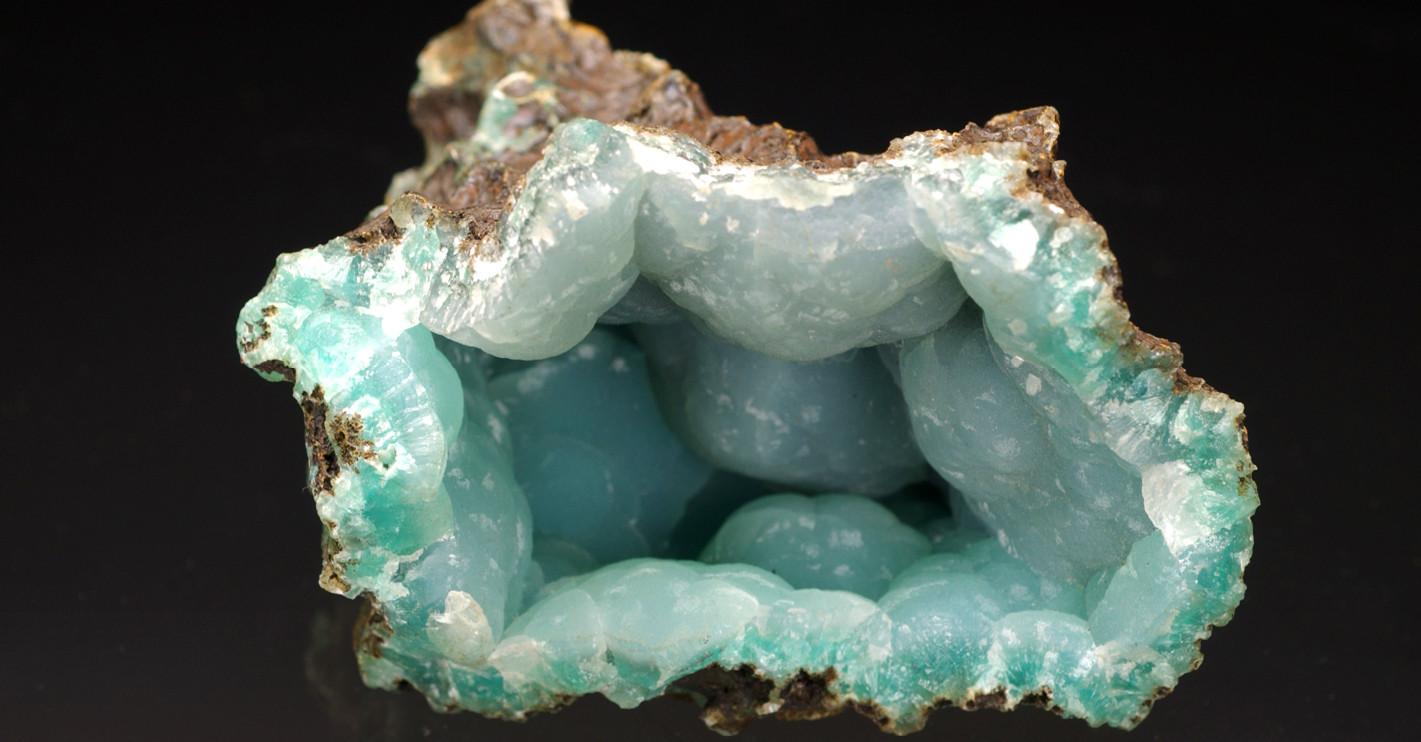
Geochemistry studies the origin, evolution and distribution of chemical elements on Earth which are contained in the rock-forming minerals and the products derived from it, as well as in living beings, water and atmosphere. One of the goals of geochemistry is to determine the abundance of elements in nature, as this information is essential to hypotheses development about the origin and structure of our planet and the universe. An element is material which has a particular kind of atom with specific electronic structure and nuclear charge, factors that determine their abundance in the rocks. Regarding distribution, it can only have direct evidence on the composition of the Earth’s crust and indirect on the mantle and core.

For more details:
http://sciaeon.org/geology-and-geoscience/home

Submit your manuscript Geochemistry:
http://sciaeon.org/submit-paper

Contact us: geology@sciaeonopenaccess.com
Volcanology

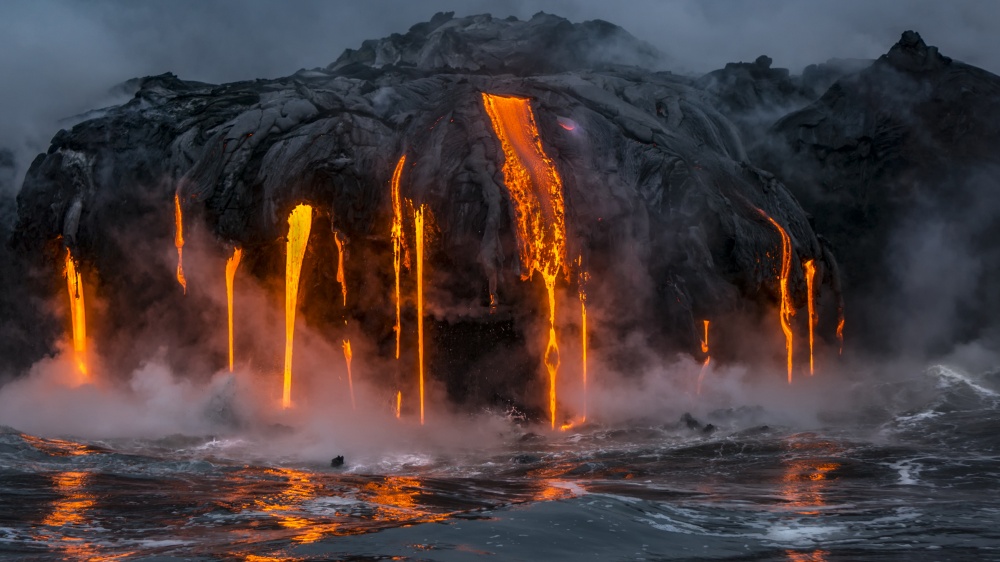
Volcanology, also spelled vulcanology, discipline of the geologic sciences that is concerned with all aspects of volcanic phenomena. Volcanology deals with the formation, distribution, and classification of volcanoes as well as with their structure and the kinds of materials ejected during an eruption (such as pyroclastic flows, lava, dust, ash, and volcanic gases). It also involves research on the relationships between volcanic eruptions and other large-scale geologic processes such as plate tectonics, mountain building, and earthquakes. One of the chief objectives of this research is determining the nature and causes of volcanic eruptions for the purpose of forecasting their occurrence. Another practical concern of volcanology is securing data that may aid in locating commercially valuable deposits of ores, particularly those of certain sulfide minerals.

For more details:
http://sciaeon.org/geology-and-geoscience/home

Submit your manuscript of Volcanology:
http://sciaeon.org/submit-paper

Contact us: geology@sciaeonopenaccess.com

Mineralogy

Mineralogy is a subject of geology specializing in the scientific study of the chemistry, crystal structure, and physical properties of minerals and mineralized artifacts. Specific studies within mineralogy include the processes of mineral origin and formation, classification of minerals, their geographical distribution, as well as their utilization.

For more details:
http://sciaeon.org/geology-and-geoscience/home

Submit your manuscript of Mineralogy:
http://sciaeon.org/submit-paper

Contact us: geology@sciaeonopenaccess.com

Design a site like this with WordPress.com
Get started